
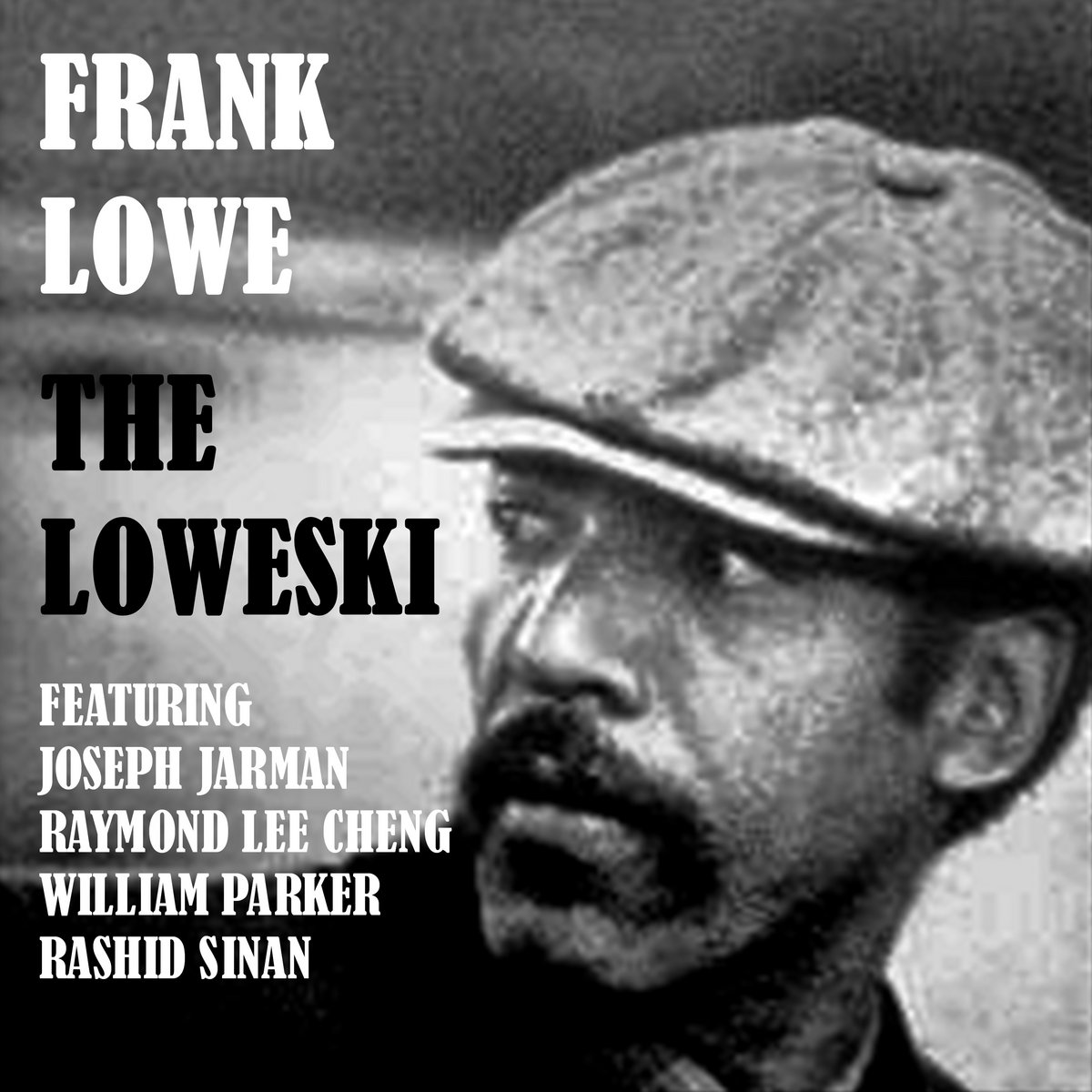
This new release from ESP features the Frank Lowe Quartet in unreleased tracks that didn’t make it onto Lowe’s 1973 ESP release Black Beings. As a free-jazz set, The Loweski is distinguished by its silences, one helping each, at the beginning and end of the set, where the ensemble ventures a few tendrils into theContinue reading “Frank Lowe. The Loweski.”
Genre Archives
Coat Cooke & Rainer Wiens. High Wire.
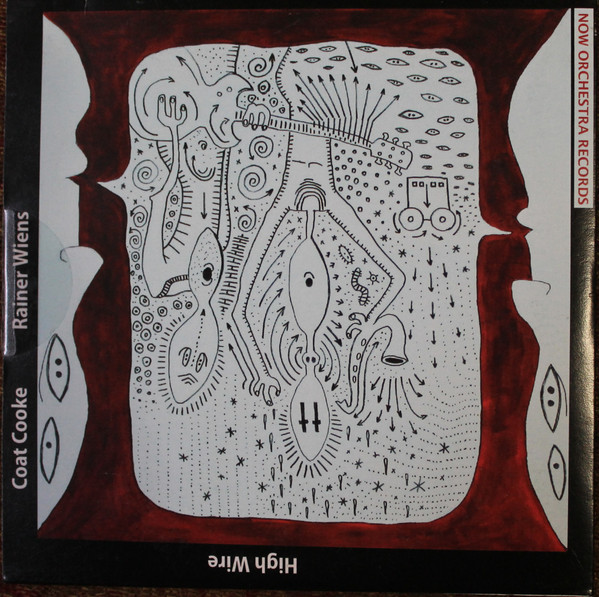
The pairing of Coat Cooke and Rainer Wiens in High Wire, results in a performance of dualities. Complexity versus simplicity, density versus scarcity are all at play here. Wiens creates complex sound environments on eclectic guitars and thumb pianos while Cooke soars overhead with clear, clean lines. Interaction is evident and the music is highlyContinue reading “Coat Cooke & Rainer Wiens. High Wire.”
Coat Cooke & Joe Poole. Conversations.
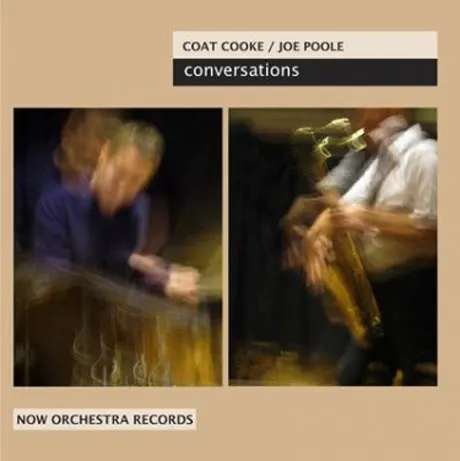
Vancouver saxophonist Coat Cooke has always been in full control of his horn and is capable of great heights of creativity. He leads the NOW Orchestra and is extremely active in many parts of the Canadian music community. But few projects have given him, as this one does, the freedom to express the full breadthContinue reading “Coat Cooke & Joe Poole. Conversations.”
John Butcher and Mark Sanders. Daylight.
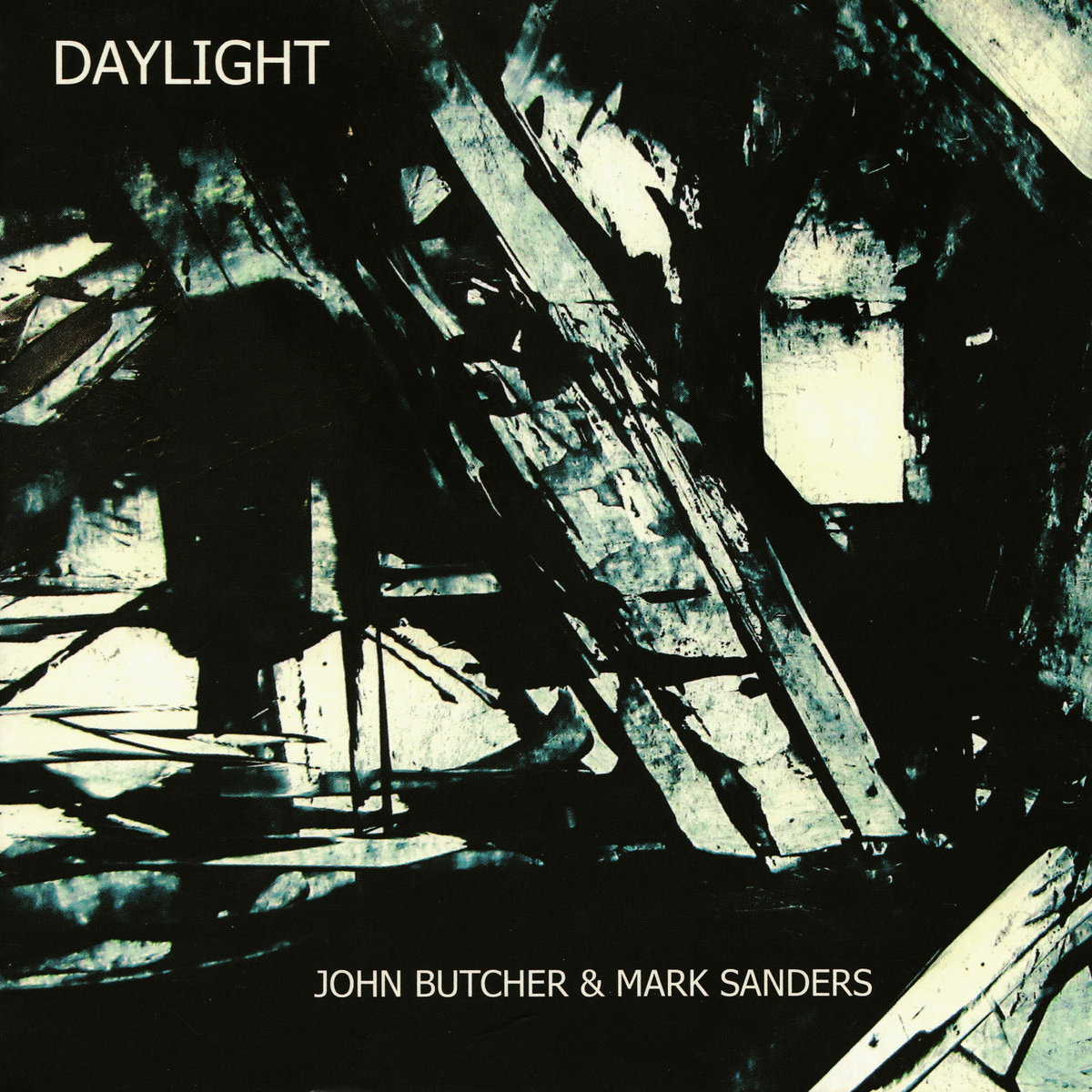
The saxophone–drum duo has a long history in free jazz—a primal pairing that achieved an early high in the 1967 John Coltrane and Rashied Ali recording called Interstellar Space. Such fire-breathing antecedents might seem distant from the music of English saxophonist John Butcher, often concerned as it is with acoustic resonances, sounds found in theContinue reading “John Butcher and Mark Sanders. Daylight.”
300 BASSES. Sei Ritornelli.
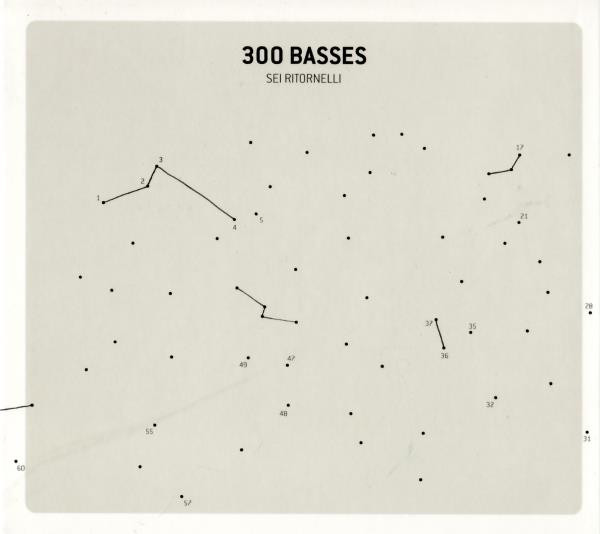
There’s something wonderful about first hearing an instrument transformed, such as Eric Glick Rieman preparing a Fender-Rhodes electric piano or Seymour Wright playing a saxophone by tapping and amplifying it, not blowing it for long stretches of time. As fine as those experiences might be it’s more striking still to hear an ensemble playing theContinue reading “300 BASSES. Sei Ritornelli.”
Winter 2012
Stone Quartet. Live at Vision Festival.
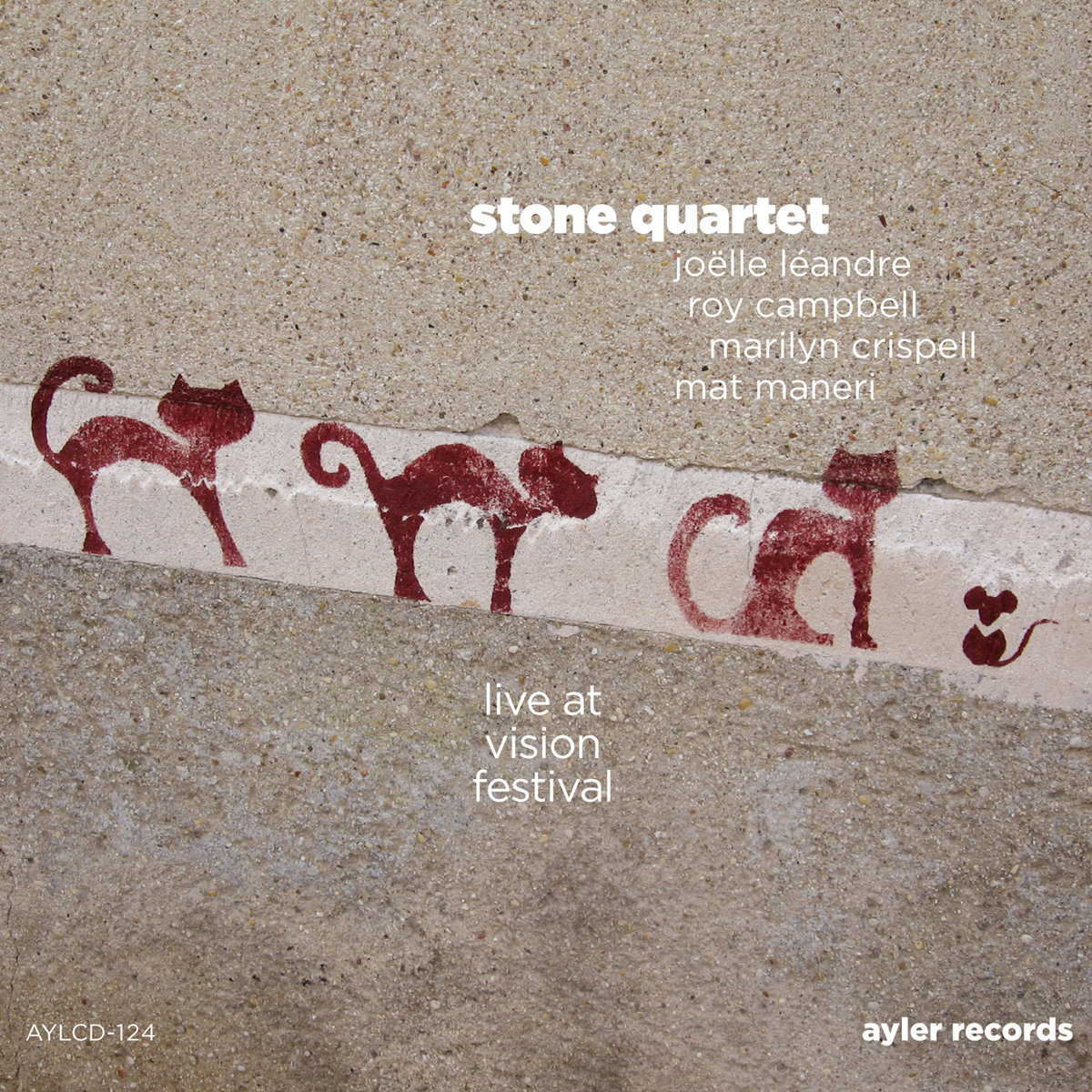
The great French bassist Joëlle Léandre first assembled the Stone Quartet for a single performance in 2006. Heard here four years later, the free improvising quartet includes pianist Marilyn Crispell, violist Mat Maneri, and wind player Roy Campbell, who plays both flute and trumpet. The bulk of the performance, Vision One, is a thirty-two-minute explorationContinue reading “Stone Quartet. Live at Vision Festival.”
Parker, Lee, Evans. The Bleeding Edge.
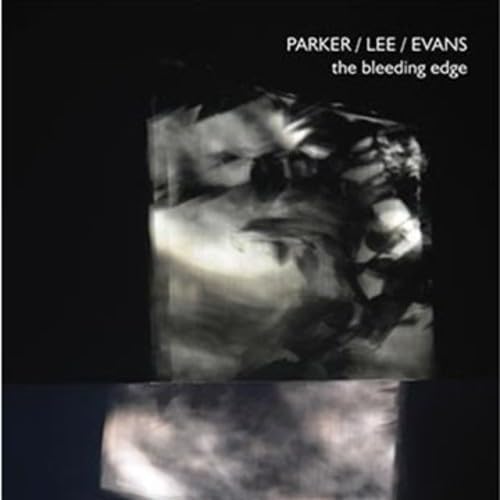
The Bleeding Edge brings together three brilliant acoustic improvisers of different continents and generations in a program of trios and duos: English saxophonist Evan Parker, Korean cellist Okkyung Lee and American trumpeter Peter Evans. There is a special empathy between Parker and Evans, since Evans has—sometimes astonishingly—managed to find equivalents to many of Parker’s innovativeContinue reading “Parker, Lee, Evans. The Bleeding Edge.”
Le Quatuor de Jazz Libre du Québec. 1973.
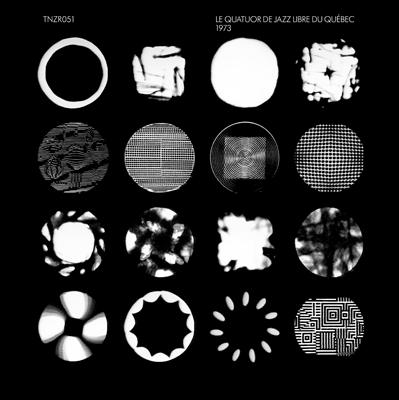
Le Quatuor de Jazz Libre du Québec was a free jazz ensemble that internalized the radicalism of the late ’60s and early ’70s into their actions and their music. Formed in 1967, they had by 1970 established an artists’ colony that had an affinity with Quebec nationalist movements. Their music has an intense fire litContinue reading “Le Quatuor de Jazz Libre du Québec. 1973.”
Lama. Oneiros.
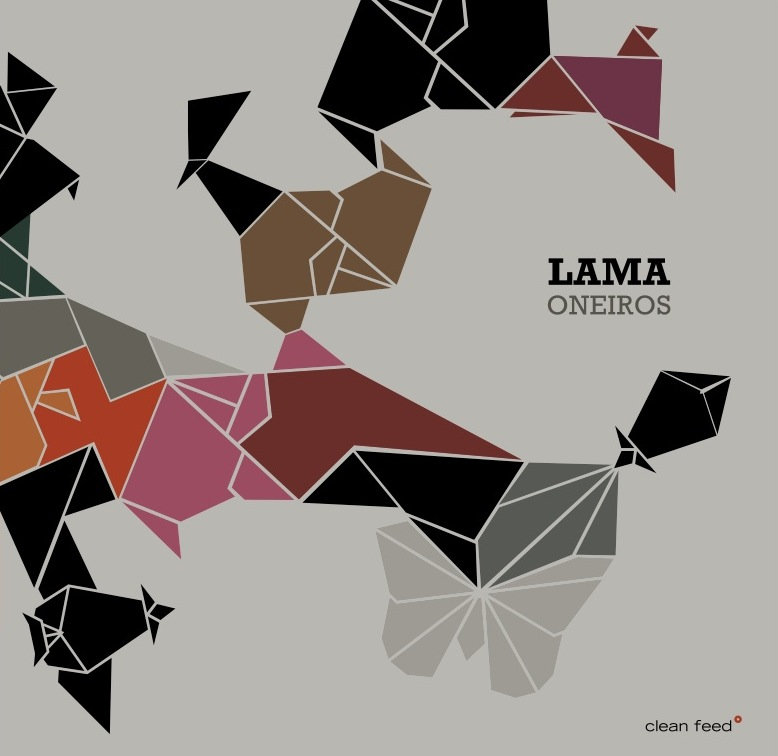
Based in Rotterdam, Lama offers an unusual mix of sensibilities, a trio of Portuguese and Canadian musicians that works at the intersections of film noir, cool jazz, electronica, and free improvisation. Gonçalo Almeida plays bass, effects, and loops, and is the principal composer; Susana Santos Silva plays trumpet, flugelhorn, and electronics; they’re joined by drummerContinue reading “Lama. Oneiros.”