
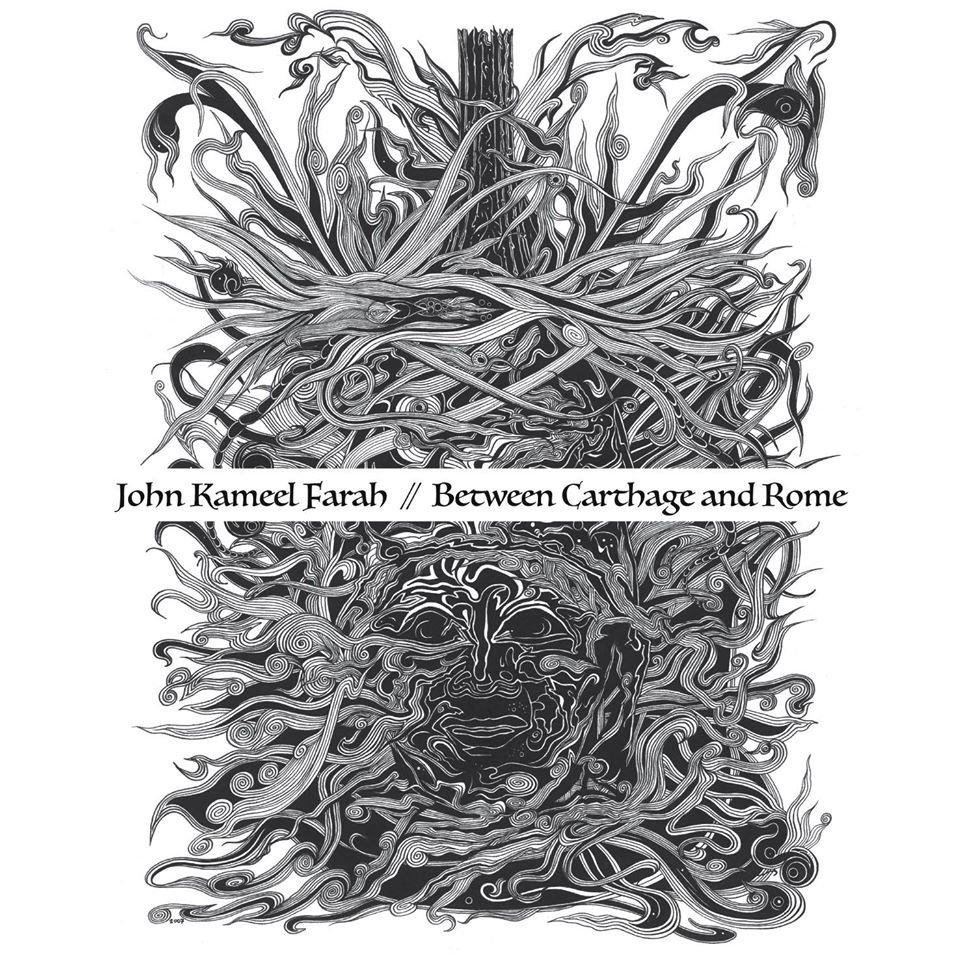
John Kameel Farah’s Between Carthage and Rome is a well-considered pairing of piano and electronics (both at Farah’s hand) that works best if you don’t think too much about it. Toronto native Farah is a strong pianist and a good conceptualist. He studied under minimalist pioneer Terry Riley and has presented the whole of ArnoldContinue reading “John Kameel Farah. Between Carthage and Rome.”
Genre Archives
Nick Storring. Gardens.
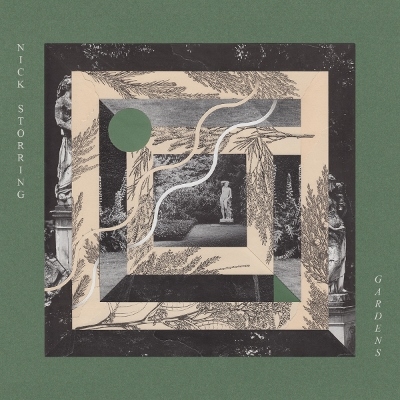
We think of gardens as something we make. You start a garden and tend to it. It is yours. But the garden has most likely been there for a very long time. You just mould it to your own purposes. If you ask a rosebush how long it has been there, it won’t know whatContinue reading “Nick Storring. Gardens.”
James O’Callaghan’s Bodies-Soundings
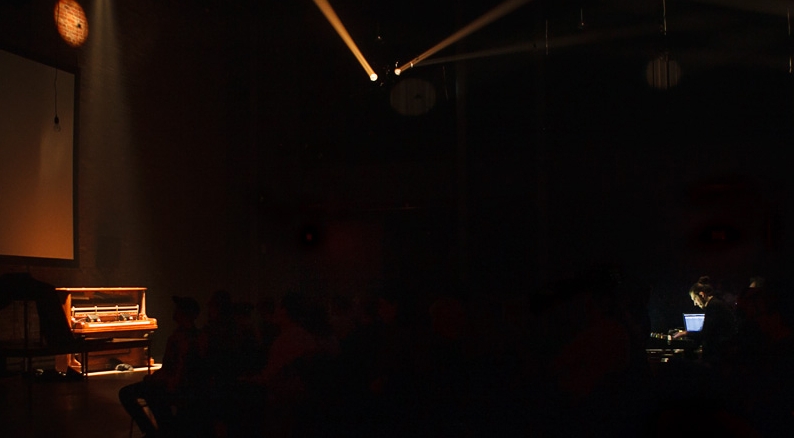
James O’Callaghan’s Bodies-Soundings, winner of Musicworks’ 2014 Electronic Music Composition contest, is a highly suspenseful acousmatic piece in which sounds are partially diffused through tactile transducers (specialized speakers that transmit sound through any object to which they’re attached) that are attached to an acoustic guitar and a toy piano. The two instruments are not playedContinue reading “James O’Callaghan’s Bodies-Soundings”
Sarah Peebles. Delicate Paths.
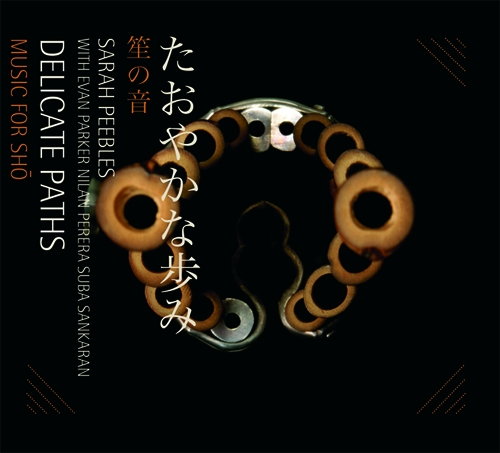
The thin, luminous sound of the shô, a Japanese mouth organ, is very particular and very beautiful—presenting a pleasant and impossibly clear glassy tonal surface. Sarah Peebles’ new shô-centred disc Delicate Paths demonstrates a thorough, painterly understanding of this instrument’s saturated astringency in solo, small ensemble, and electroacoustic contexts. There’s a contemplative austerity to theContinue reading “Sarah Peebles. Delicate Paths.”
Juan Blanco. Nuestro Tiempo / Our Time.
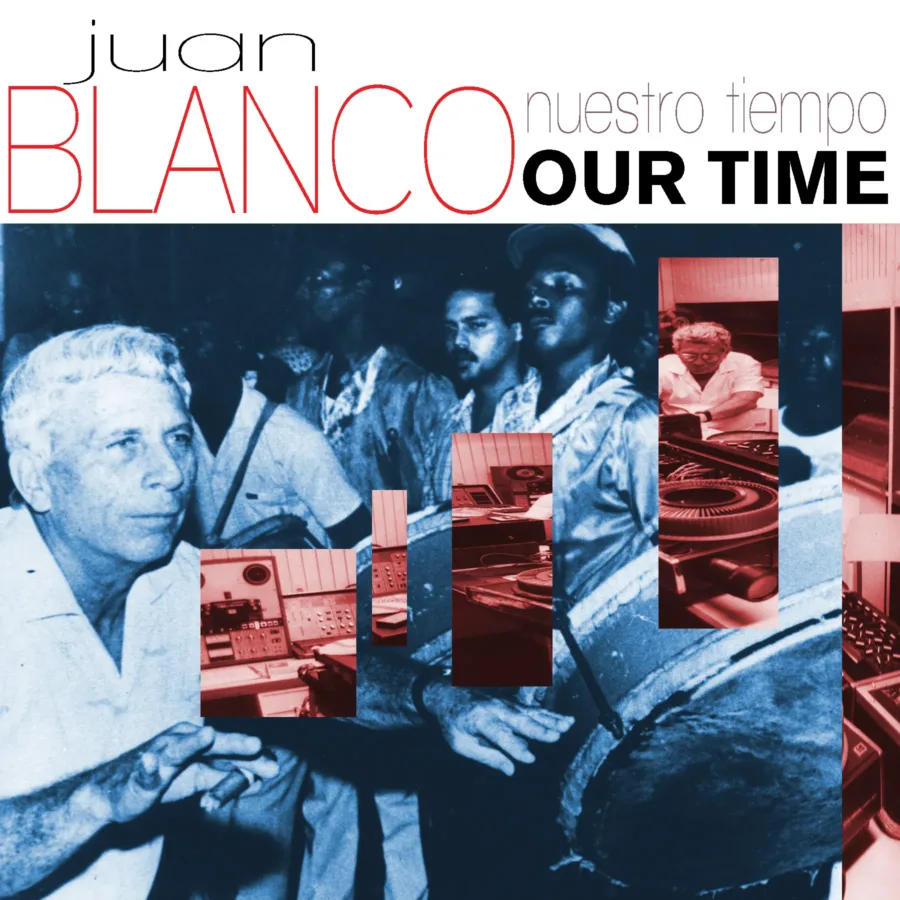
Through most of the twentieth century, Cuban composer Juan Blanco (1919–2008) was an active and collaborative creator and cultural leader in his homeland—primarily, though not exclusively, through his work in electroacoustic music. “No Cuban composer epitomized musical innovation better than Blanco, who melded new music, electronic instruments, improvisation, and the island’s unique musical heritage,” wroteContinue reading “Juan Blanco. Nuestro Tiempo / Our Time.”
Teun Verbruggen & Arve Henriksen. Black Swan; The Bureau of Atomic Tourism. Second Law of Thermodynamics.
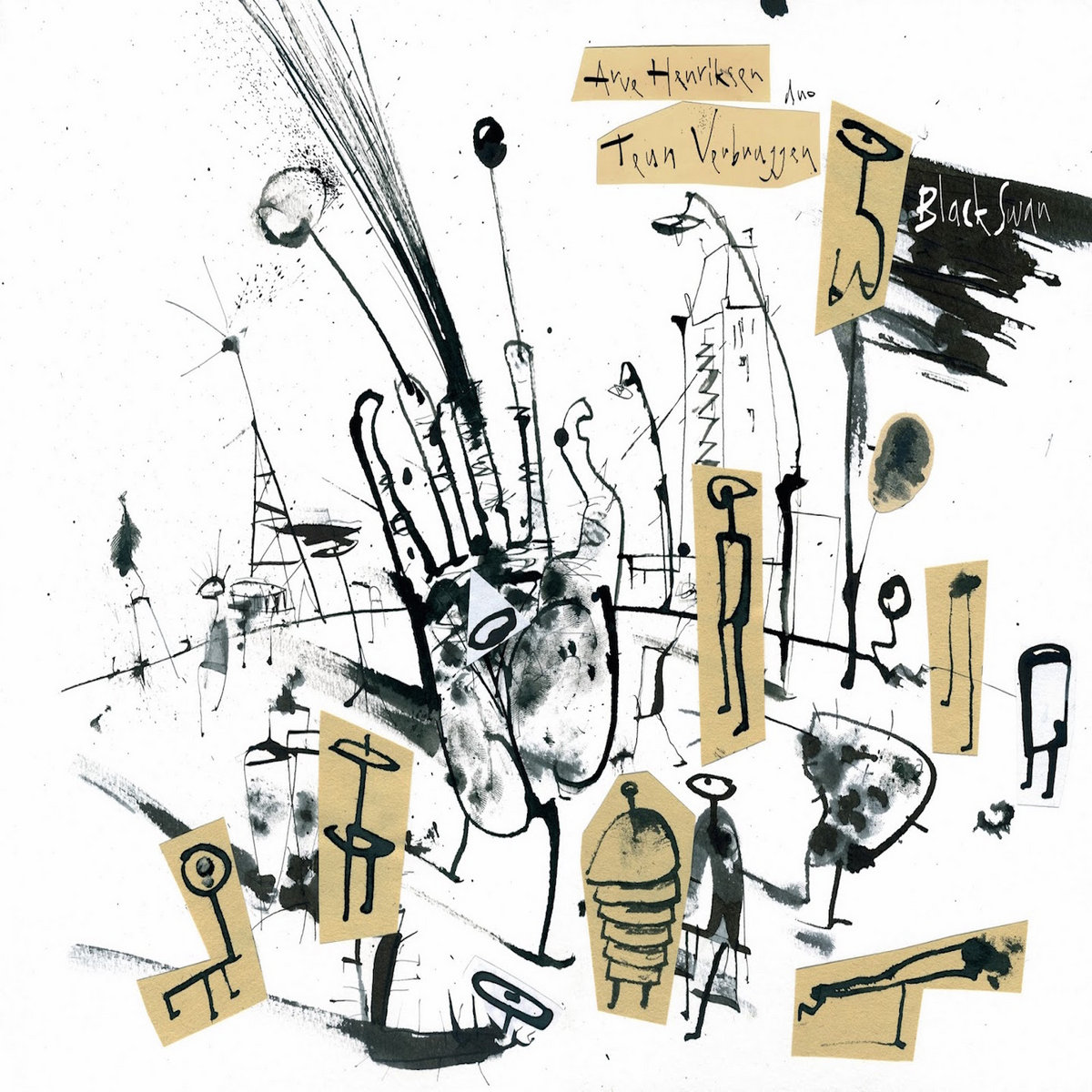
These two recent CDs give a strong picture of the breadth of Belgian percussionist Teun Verbruggen’s playing, showcasing a duo in studio and a live performance as part of a sextet. Verbruggen’s duet with the Norwegian trumpeter Arve Henriksen was done completely through correspondence. Verbruggen recorded a series of tracks of drums and percussion andContinue reading “Teun Verbruggen & Arve Henriksen. Black Swan; The Bureau of Atomic Tourism. Second Law of Thermodynamics.”
Mecha Fixes Clocks. Beau comme un aéroport; Pink Saliva. Il parait que.

These two CDs, released on Eric Normand’s Tour de Bras imprint, have in common the trumpet of Elwood Epps and the drums of Michel F. Coté, both players dynamic forces on Montreal’s improvised and musique actuelle scenes. Coté’s work, both as a composer and drummer, is always playful—he never saw a groove he didn’t want toContinue reading “Mecha Fixes Clocks. Beau comme un aéroport; Pink Saliva. Il parait que.”
Elastic Planets
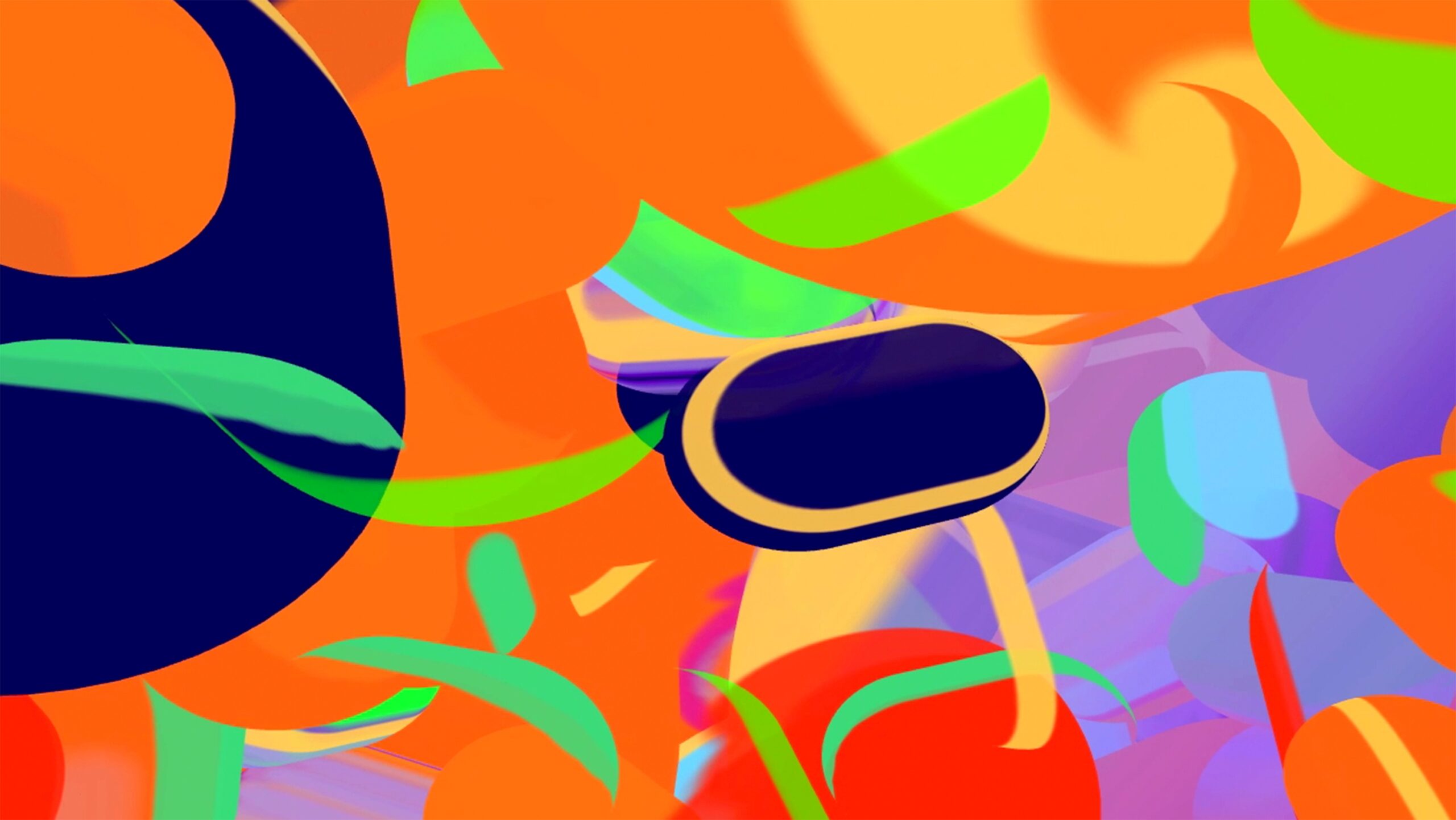
Stepping into this black cube is like entering an intergalactic observation deck. Enveloped by mechanical whirs, buzzes and clicks, a parade of heavenly bodies is presented for inspection. This particular set is kaleidoscopic in colour, malleable in shape, kinetic in nature, frenetic in texture, as if the Painters Eleven had created their own solar system.Continue reading “Elastic Planets”
The New Sounds of Lebanon
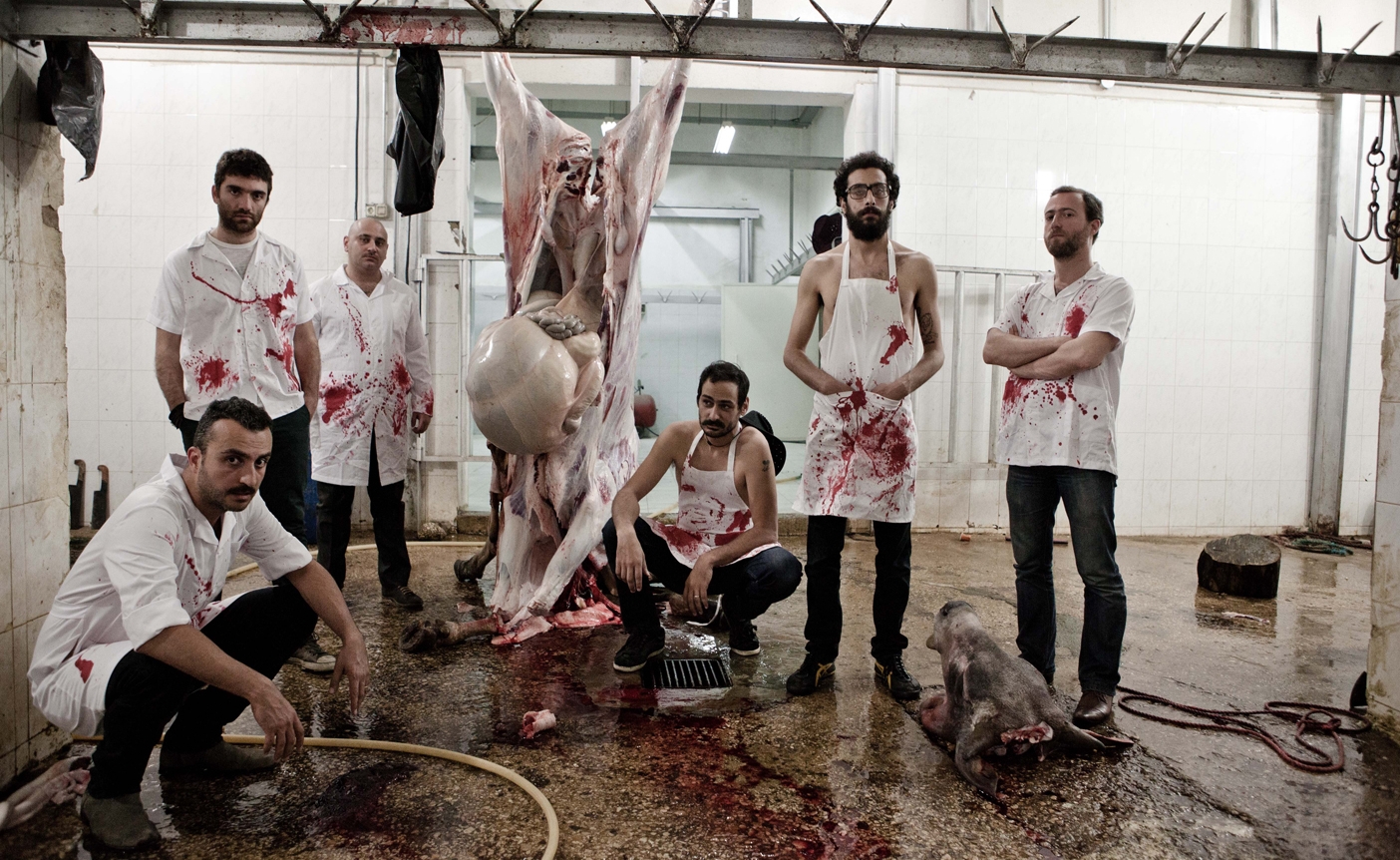
The experimental music scene in Beirut, Lebanon, may exist in relative geographic isolation from other global movements of a similar ilk, but over the past fifteen years it has become a dynamic hub for a dense concentration of fiercely independent musical voices. From humble beginnings and tiny numbers, the close-knit community has grown and thrived,Continue reading “The New Sounds of Lebanon”
David Rosenboom. In The Beginning.
Not unlike James Tenney, his late former colleague at York University, David Rosenboom is highly adept at taking rigorously structured systems and rendering them in a manner that is observable and bursting with sound colour. This two-disc set compiles the titular cycle of pieces whose creation spans 1978–81, each for different instrumentations. The album opensContinue reading “David Rosenboom. In The Beginning.”