
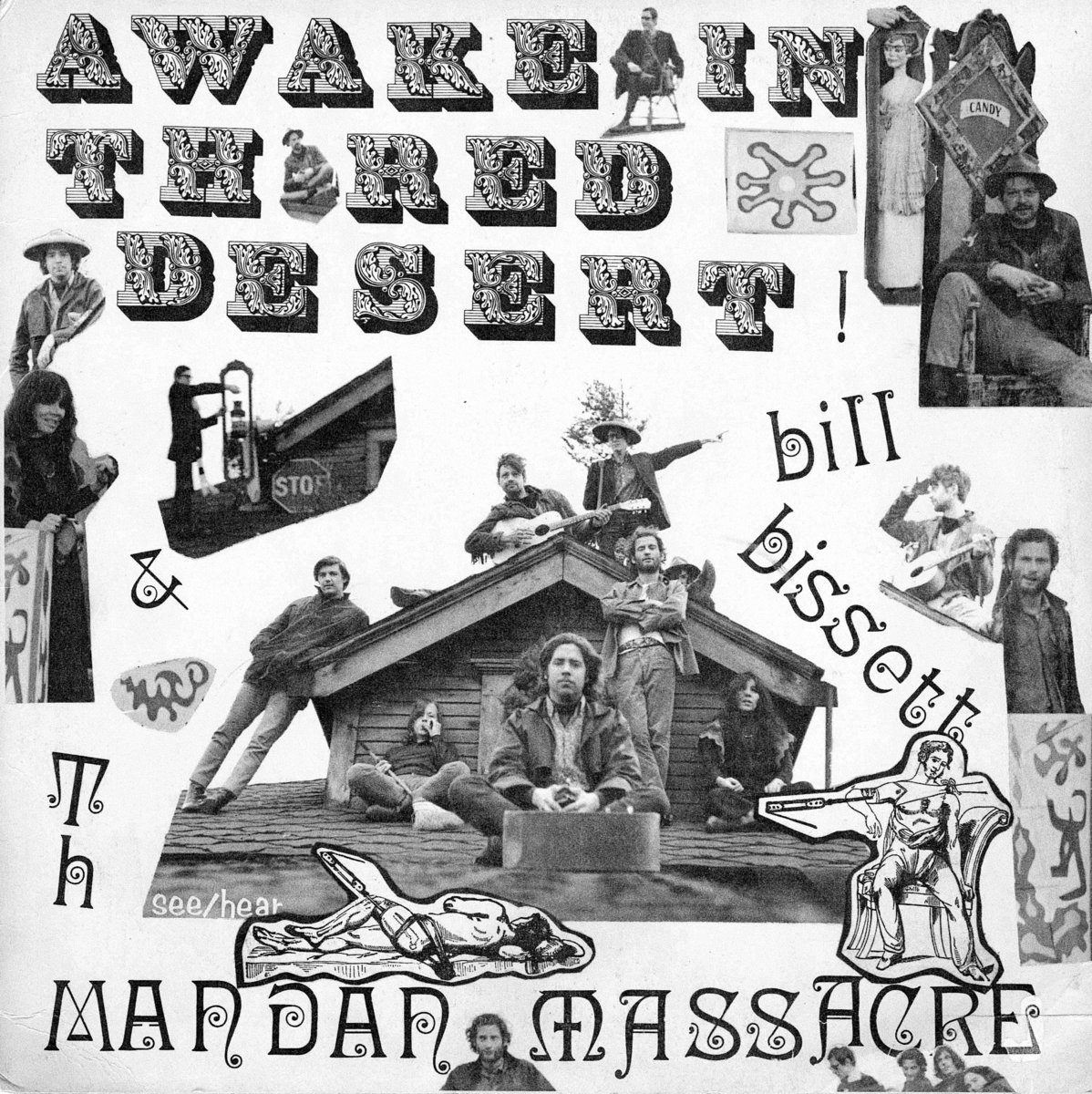
The first release from Feeding Tube’s Unknown Province reissue series of Canadian cult classics, which is being curated by liner-notes author Alex Moskos, is a time capsule from a true freak scene. Recorded in 1968 by pioneering sound-and-concrete poet Bill Bissett after arriving in Vancouver from Halifax, the album finds his sundry gang of poets,Continue reading “Bill Bissett & Th Mandan Massacre. Awake In Th Red Desert.”
Genre Archives
Amirtha Kidambi & the Elder Ones. From Untruth.
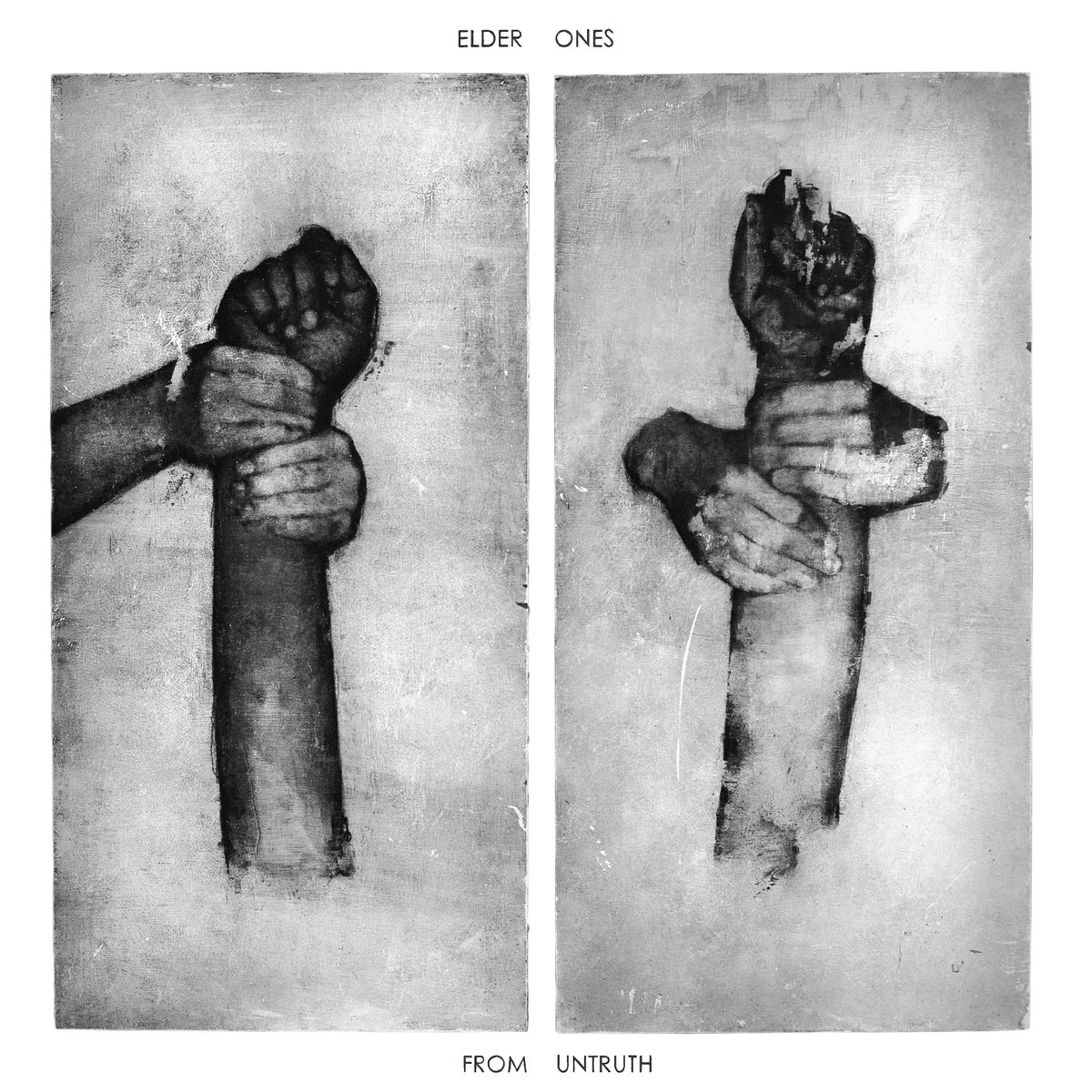
“Eat the rich or die starving.” Repeated mantra-like at the end of the first song on Amirtha Kidambi’s impressive new record with her band the Elder Ones, From Untruth, that sentiment somehow lands less as provocation than as simple statement of fact, a moment of clarity that throws the sonic maelstrom preceding it into relief.Continue reading “Amirtha Kidambi & the Elder Ones. From Untruth.”
Juliet Palmer. Rivers.
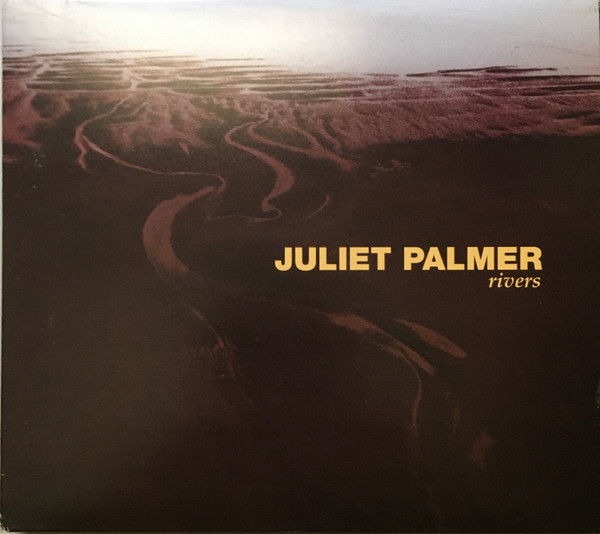
Juliet Palmer is not the first artist to draw parallels between the body’s circulatory system and the tree branches, streams, and rivers in the natural landscape, but she has an undeniably unique spin on it: she’s doubtless the first person to set Emily Dickinson’s poetry to ultrasound recordings of human blood flowing. Despite the intriguingContinue reading “Juliet Palmer. Rivers.”
Joëlle Léandre and Phil Minton. Léandre-Minton.
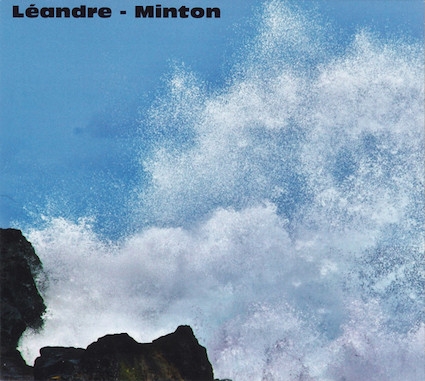
Few musicians possess the spontaneity and sheer presence of French bassist Joëlle Léandre and English vocalist Phil Minton. Here the two senior masters meet on a Paris stage in October 2016, delivering a three-part concert Si, lence/ Is/ blu, ish. Léandre is a master of finding fresh dimensions and new voices in her instrument, andContinue reading “Joëlle Léandre and Phil Minton. Léandre-Minton.”
Ka Baird. Sapropelic Pycnic.
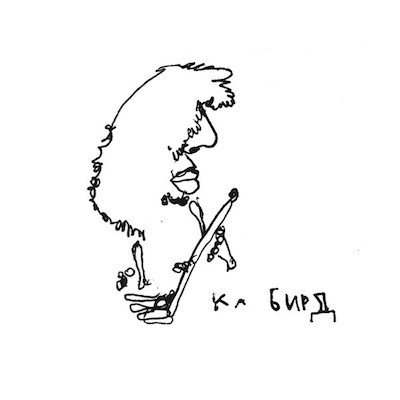
Nothing will ever remain the same. There is no such thing as firm ground that will give stability and security. Ka Baird’s solo album Sapropelic Pycnic revolves around the theme of transformation, in various senses. She processes the sounds of her flute, of her voice—multiplying, speeding up and slowing down. Sometimes her singing sounds angelic,Continue reading “Ka Baird. Sapropelic Pycnic.”
James Rolfe. Breathe: music for voices and early instruments
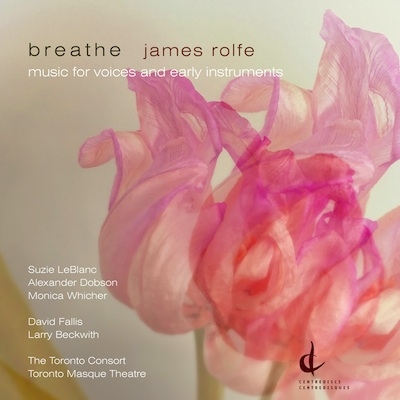
New music for period instruments is not always convincing. But in these substantial works, James Rolfe avoids pastiche, homage, and self-conscious novelty, creating music that is subtle, sophisticated, and surprising. In Breathe (2011) Anna Chatterton’s new texts weave a seamless whole with much older words from Hildegard von Bingen and Antonio Scandello. Written for aContinue reading “James Rolfe. Breathe: music for voices and early instruments”
Benedict Schlepper-Connolly. The Weathered Stone.
At a time when rhythmic repetition in chamber music is so often co-morbid with cloyingly banal indie-isms, The Weathered Stone, from Irish composer Benedict Schlepper-Connolly, offers a rather bright glimmer of hope. From the outset, with its first and titular track (a piano trio), the sound is warm, but abstruse enough to engender curiosity. There’sContinue reading “Benedict Schlepper-Connolly. The Weathered Stone.”
Frances White and Kristin Norderval. She Lost Her Voice / That’s How We Knew.
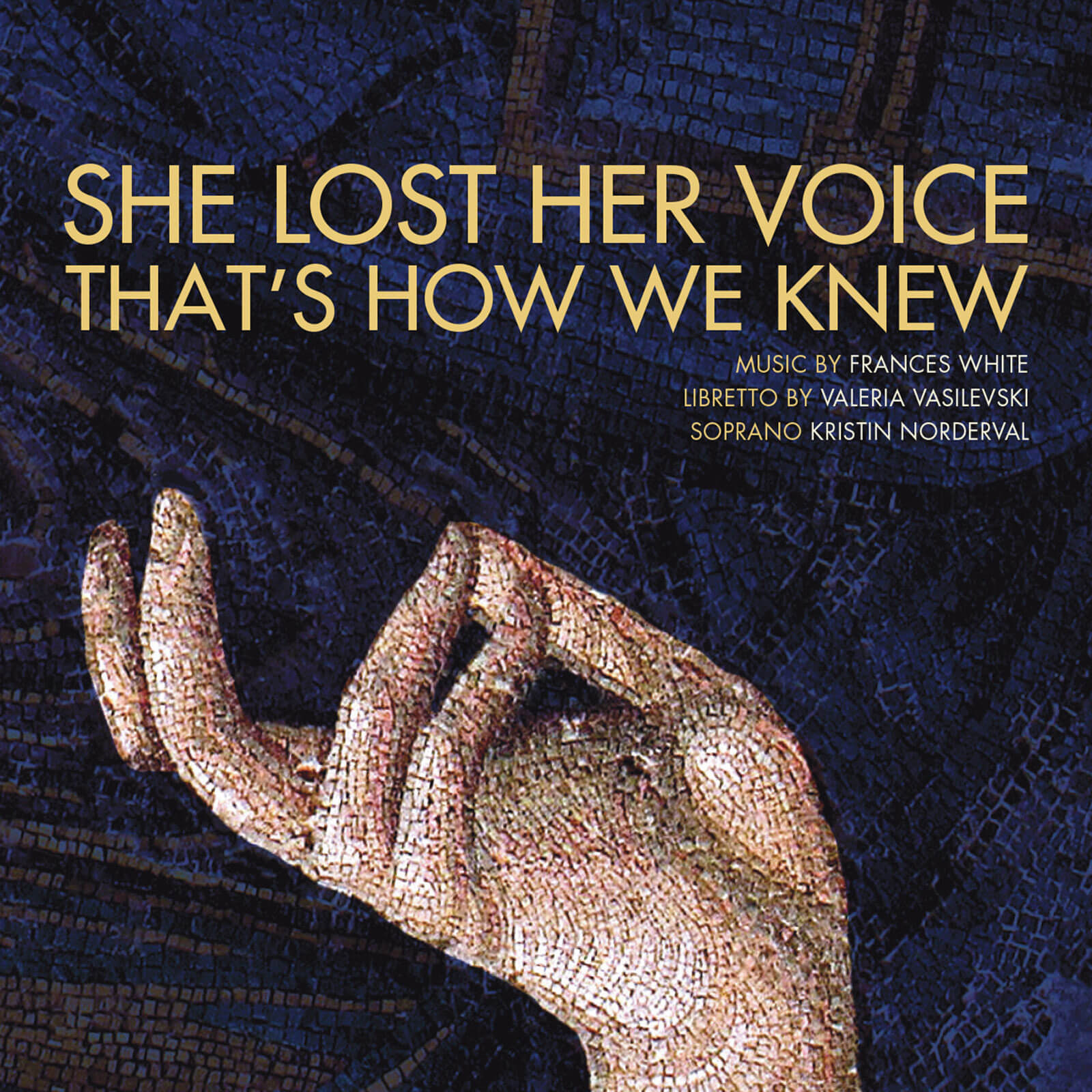
Seductive and hypnotic, this is an utterly convincing work for voice and electronics—not an easy combination. For forty-five minutes, it moves slowly through a text by the piece’s director, Valeria Vasilevski, and blurs genres (chamber opera? theatre work? song cycle?) with its sensual, rhapsodic sound world. Frances White’s music is spectacularly beautiful: soprano Kristin Norderval’sContinue reading “Frances White and Kristin Norderval. She Lost Her Voice / That’s How We Knew.”